





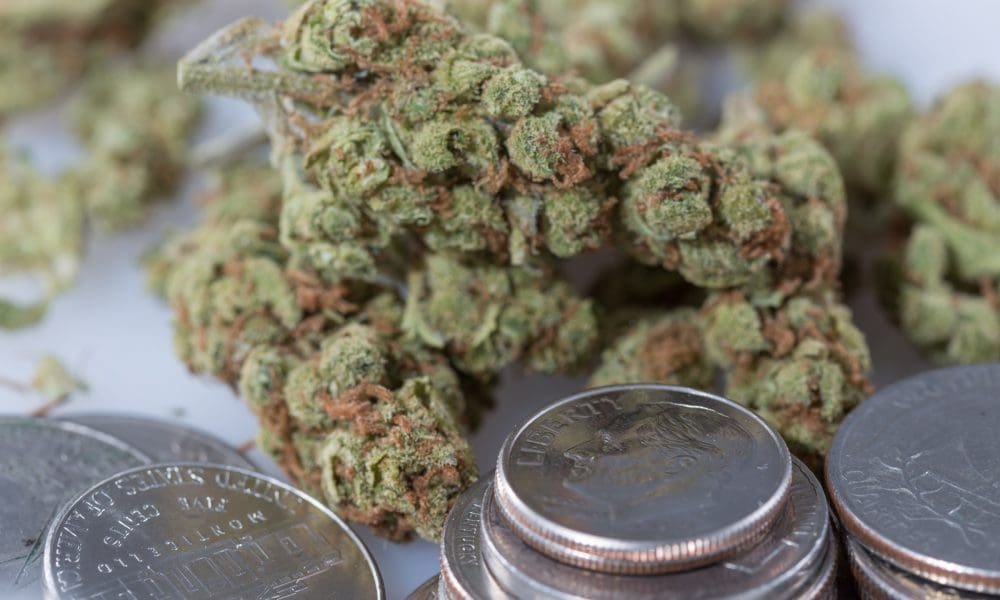

California Assembly unanimously approves a bill that delays the planned increase in marijuana tax.
Assemblymember Matt Haney’s (D) legislation to defer the increase for five years was passed by the Assembly 74-0, about a month and a half after officials in the state announced the tax would go from 15% to 19% on 1 July.
The bill now goes to the Senate for consideration, but advocates are hoping to see its language incorporated into a separate budget trailer measure that would take effect upon enactment—as opposed to at the beginning of next year as would be the case under Haney’s bill.
The legislation was originally introduced to repeal the tax increase, but it has since been modified in order to postpone its implementation till the fiscal years 2030-2031.
Officials of the United Food and Commercial Workers Union (UFCW), applauded Assembly votes.
Joe Duffle (President of UFCW Local 1167) said that increasing the tax rate will „only lead to an increase in failed cannabis legal businesses” throughout the state.
He said that „AB 564” freezes cannabis excise taxes at 15% and allows legal cannabis companies to compete in a market which is shrinking daily. Without this bill, illicit cannabis businesses will continue to flourish and put untested, non-taxed, and unregulated products in the hands of customers.
According to the proposed legislation, California Department of Tax and Fee Administration will be working closely with Department of Finance to adjust the tax rates on cannabis and cannabis products. This adjustment would take into account the additional percentage of retail sales that a cannabis retailer makes that generates revenue that is equal to what would have been collected the previous year, according to bill text.
According to information that is available, the department will need to „estimate” the amount that was collected under the weight based cultivation tax during the prior fiscal year.
According to the legislation, „the specific purpose of the cannabis tax rate reduction was to provide immediate relief for the cannabis industry.” The Legislature can measure the effectiveness of the goal by comparing the gain or loss of cannabis excise taxes resulting from this law’s cannabis tax rate reduction.
It also mandates that CDTFA, on or before December 1, 2026 and each subsequent year the California „submit a report to the Legislature…detailing the amount of gain or loss in cannabis excise tax revenues resulting from the cannabis excise tax rate reduction allowed by this act.”
—
MEDCAN24 tracks hundreds of marijuana, psychedelics, and drug policy legislation in state legislatures this year. Patreon members who pledge at least $25/month gain access to interactive maps, charts, and hearing schedules so that they do not miss anything.
Discover more about the marijuana bills tracker. Become a patron on Patreon and you will have access.
—
Meanwhile, California officials last month awarded another round of community reinvestment grants to nonprofits and local health departments, funded by marijuana tax revenue.
California’s Supreme Court separately delivered a victory for the state’s marijuana program last month, rescinding a lower court ruling in a case that suggested federal prohibition could be used locally to undermine the cannabis market.
The state Supreme Court ruling also came just weeks after California officials unveiled a report on the current status and future of the state’s marijuana market—with independent analysts hired by regulators concluding that the federal prohibition on cannabis that prevents interstate commerce is meaningfully bolstering the illicit market.
Gov. Gavin Newsom (D) did sign a bill in 2022 that would have empowered him to enter into interstate cannabis commerce agreements with other legal states, but that power was incumbent upon federal guidance or an assessment from the state attorney general that sanctioned such activity.
Meanwhile, a California Senate committee recently declined to advance a bipartisan bill that would have created a psilocybin pilot program for military veterans and former first responders.
Texas Lawmakers pass a bill that gives the state a commercial stake in psychedelic intellectual property.
Philip Steffan is the photographer.
MEDCAN24 would not be possible without the support of readers. Please consider making a Patreon monthly pledge if you depend on our cannabis journalism for information.
